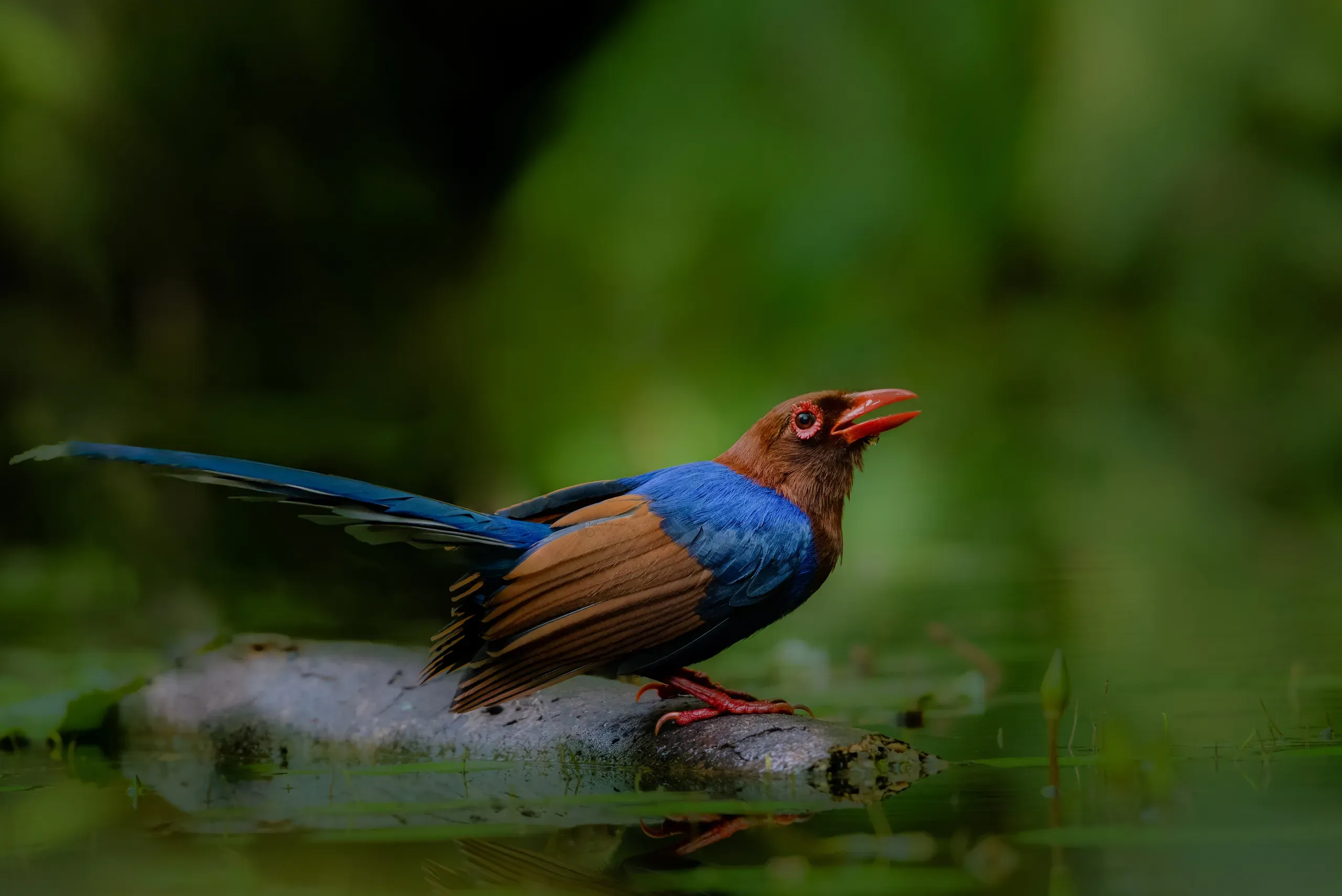
Southwest · wet zone
Sinharaja
A UNESCO-listed primeval rainforest and the heart of Sri Lankan endemism, with mixed-species feeding flocks, blue magpies, owls, pit vipers and extraordinary macro subjects.
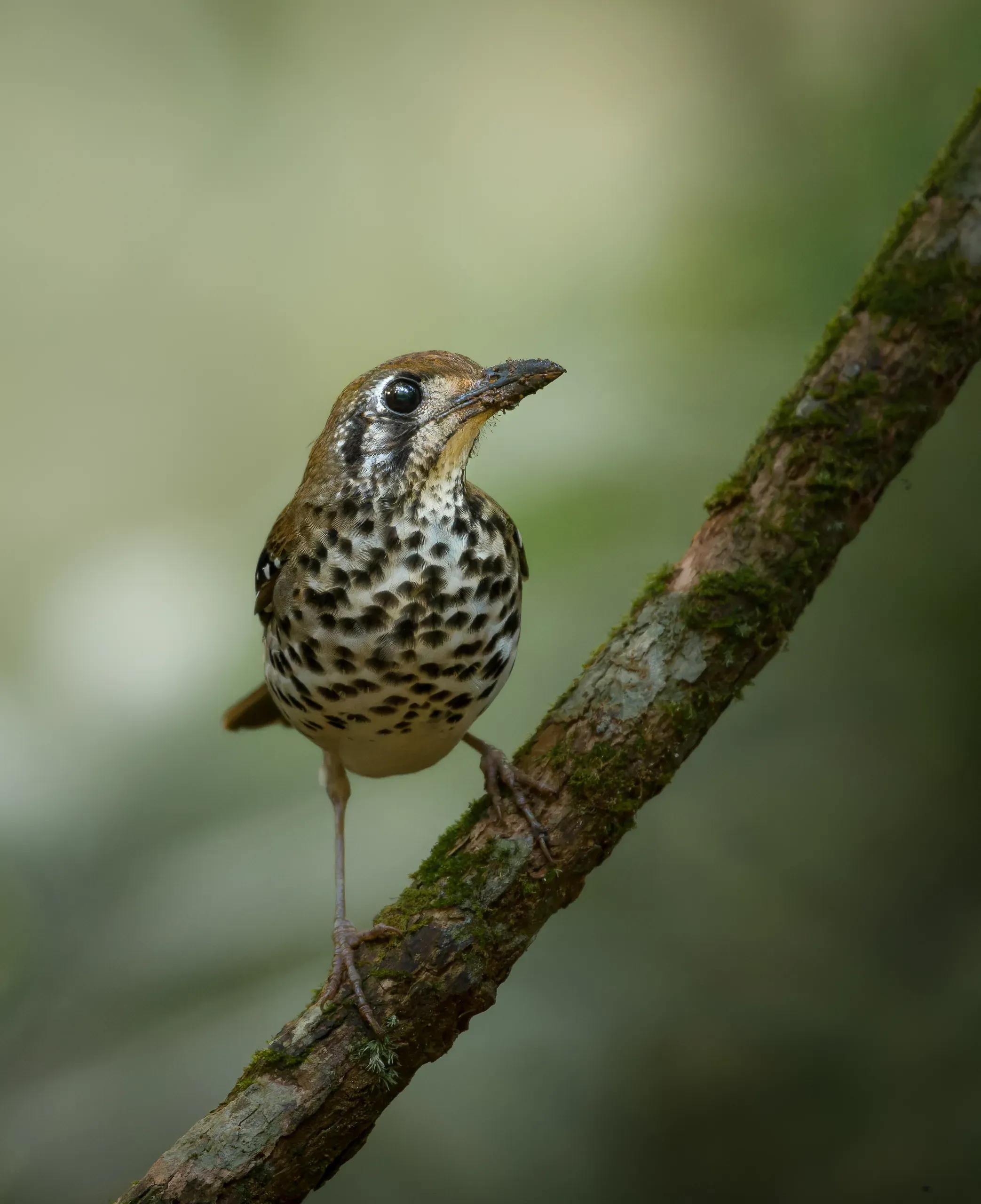
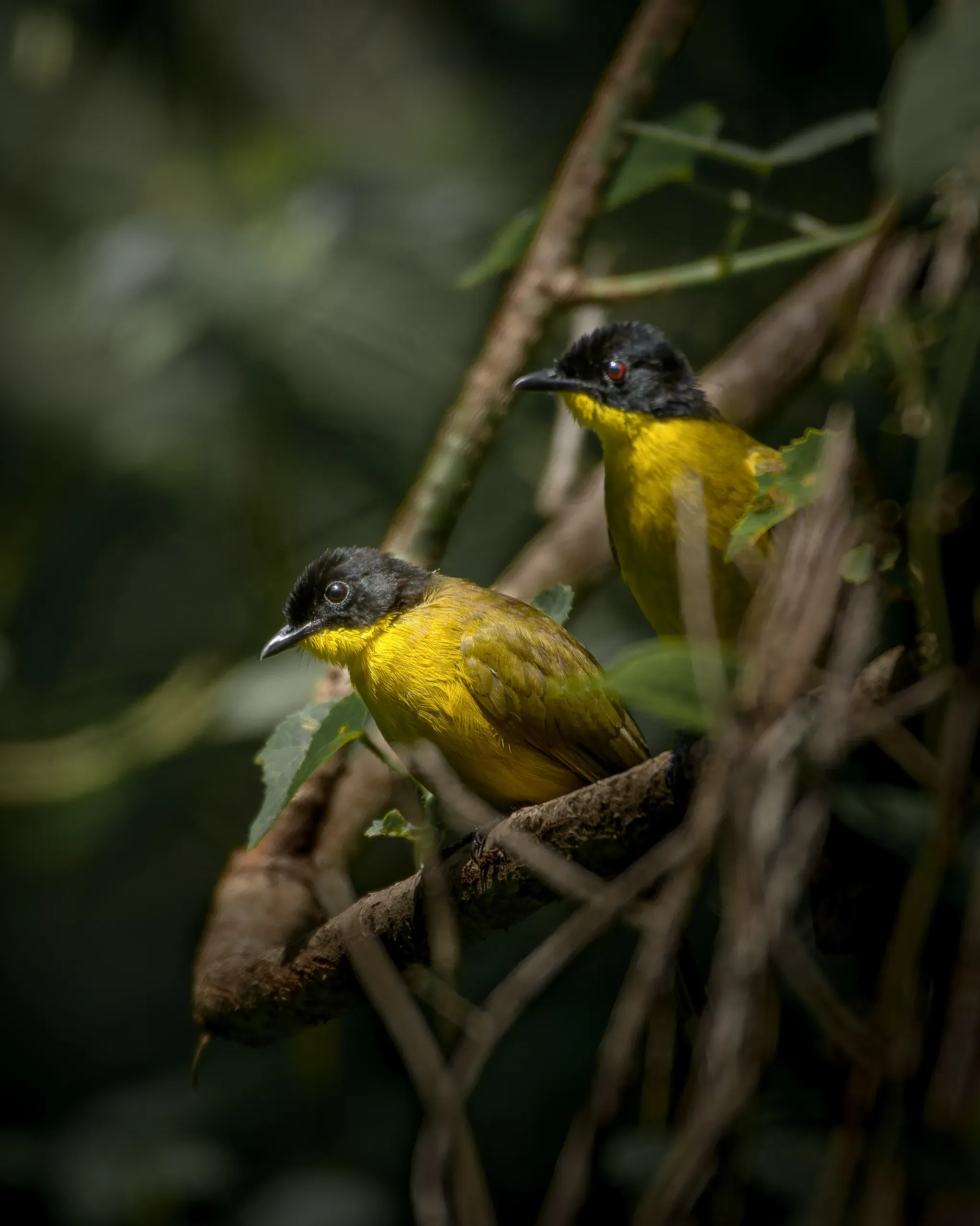
Sinharaja is Sri Lanka’s last large tract of primary rainforest and the place to find most of the island’s endemic birds. Mornings are timed for the famous mixed-species feeding flocks. Between about 6:30 and 9am, dozens of species move through the canopy as one wave.
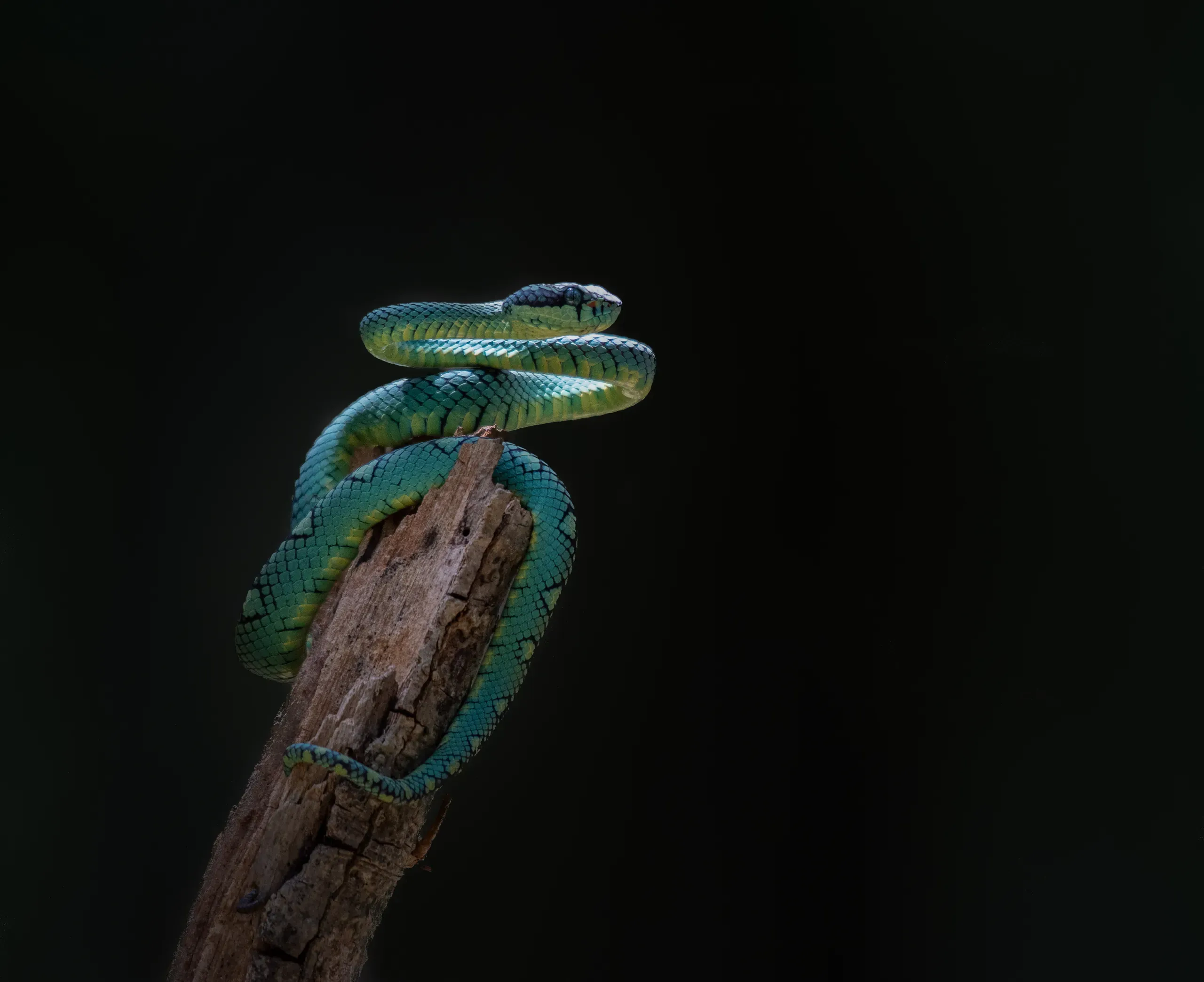
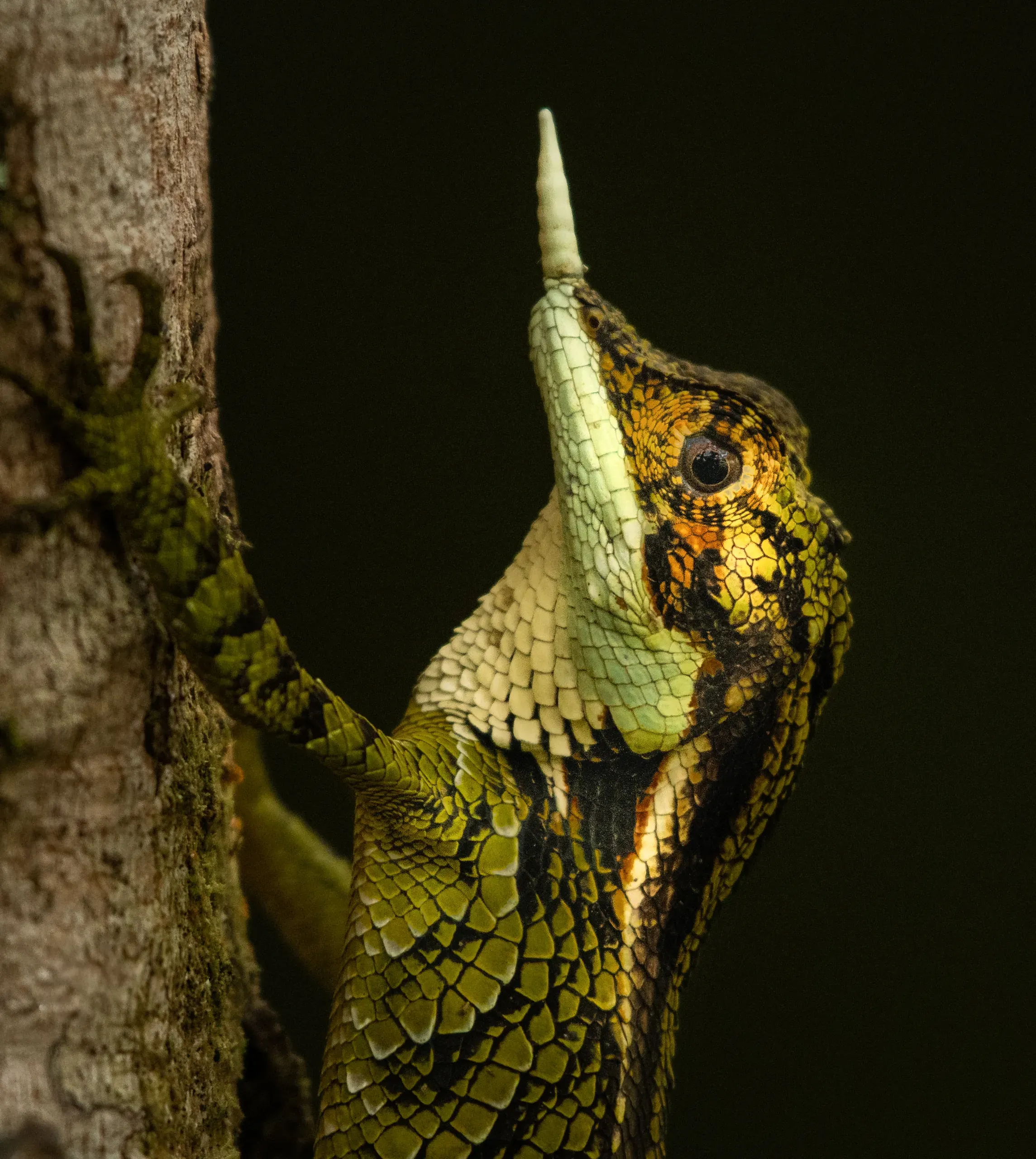
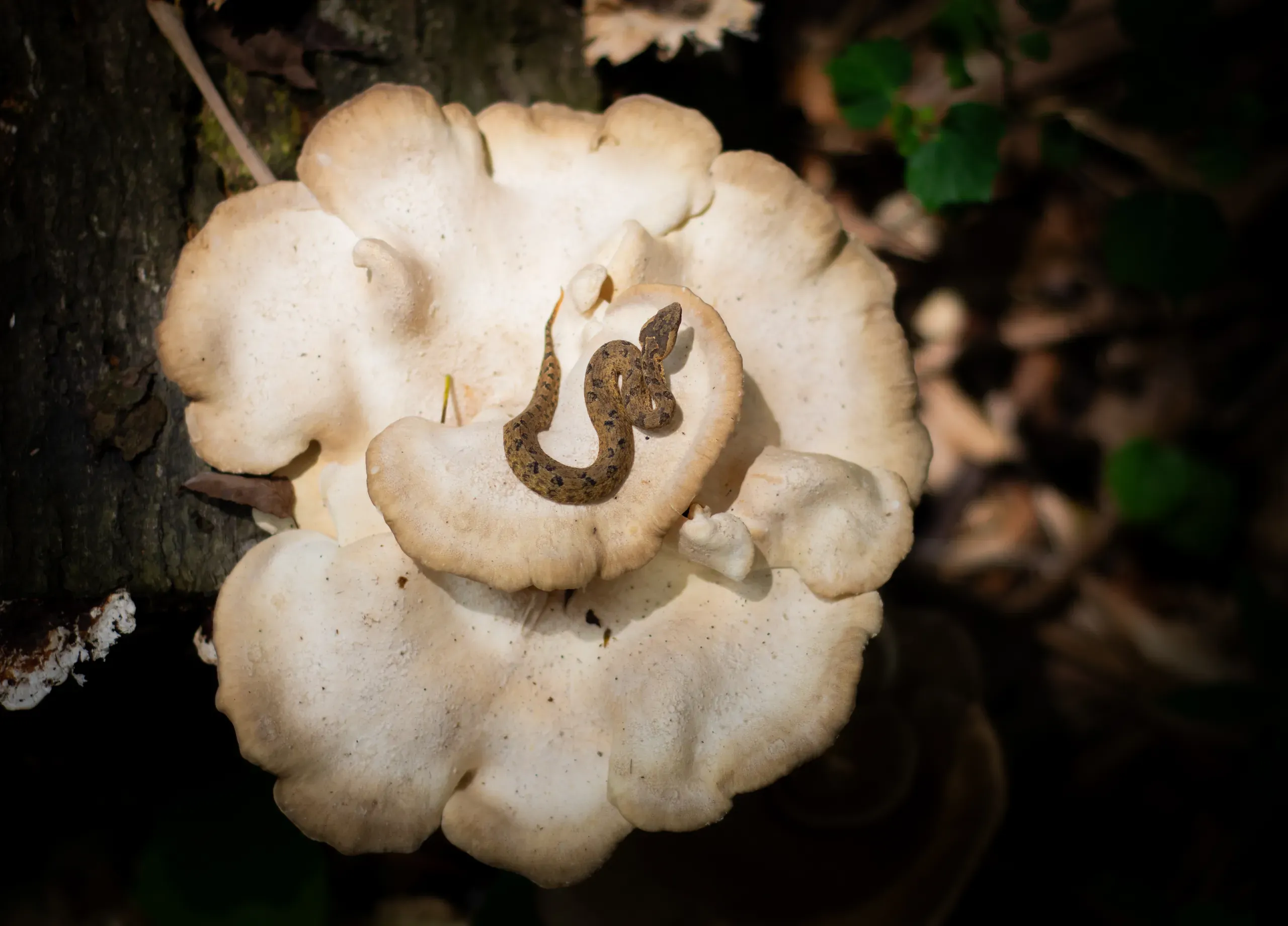
Deeper trails towards Sinhagala or Moulawella reach different elevations and the wet-zone specialists that keep away from the main paths. The forest floor is just as rich, with frogs, agamid lizards, green pit vipers, insects and fungi.
When to go
The drier windows from January to April and August to September are best. December brings the first migrants.
What you’ll see
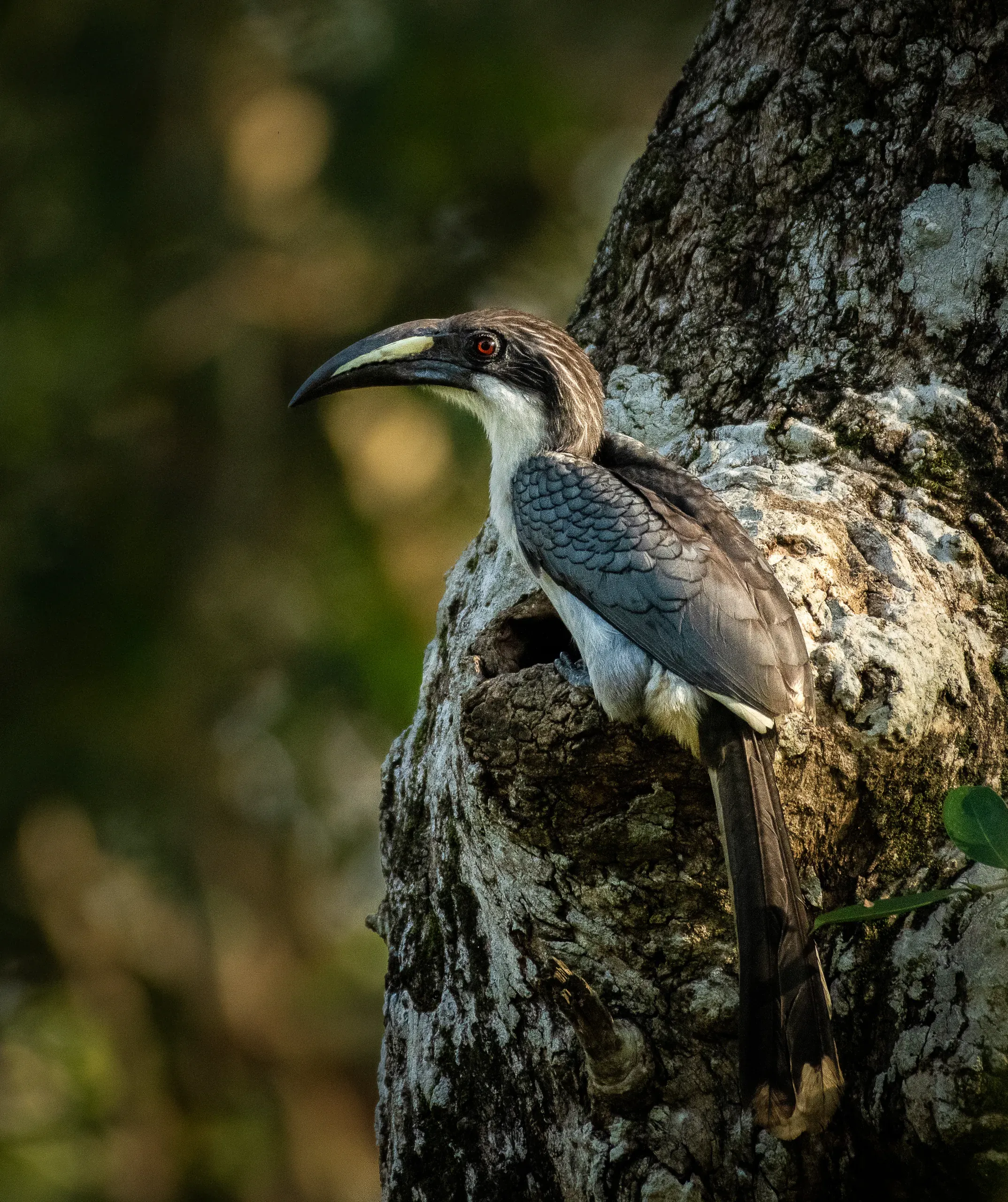
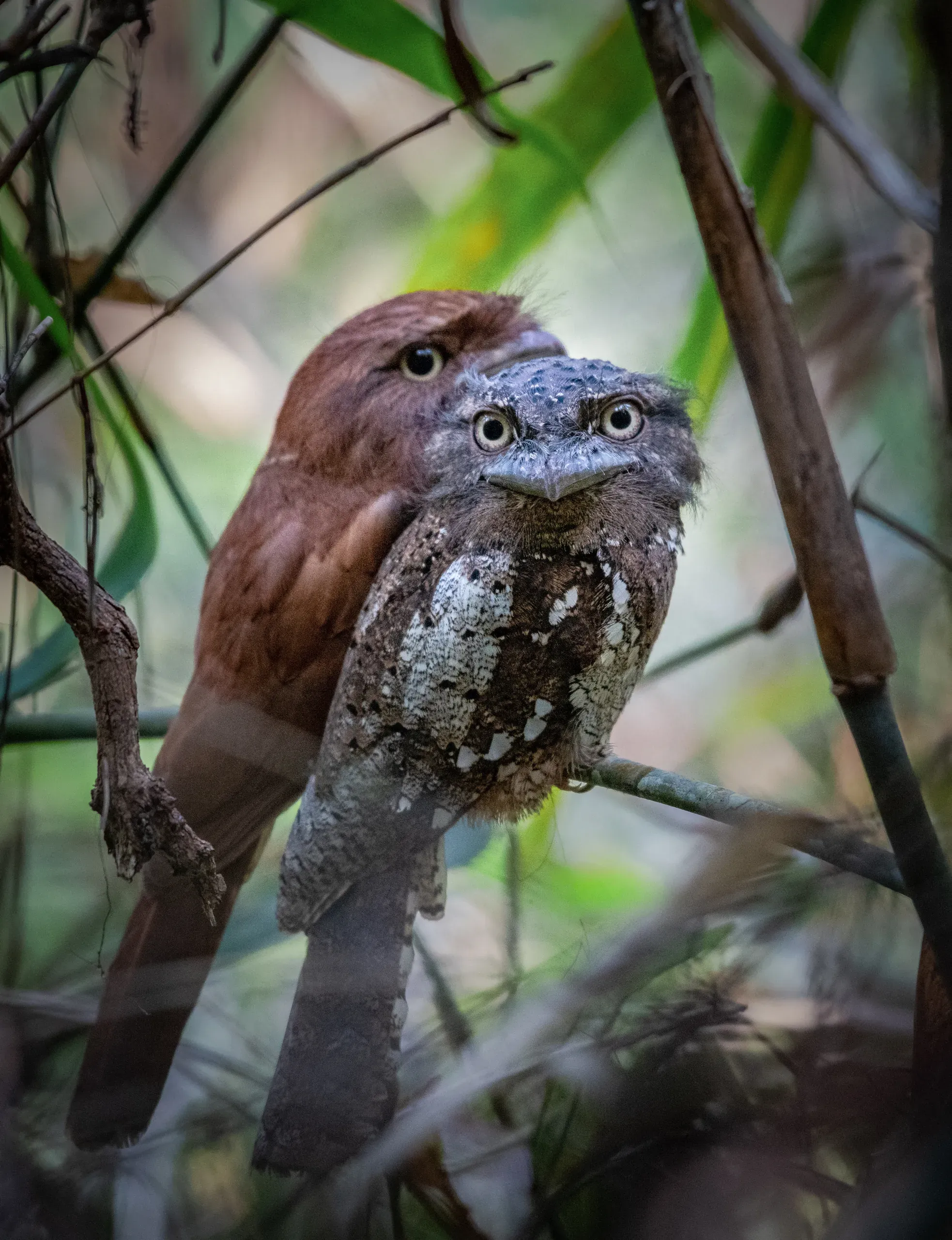
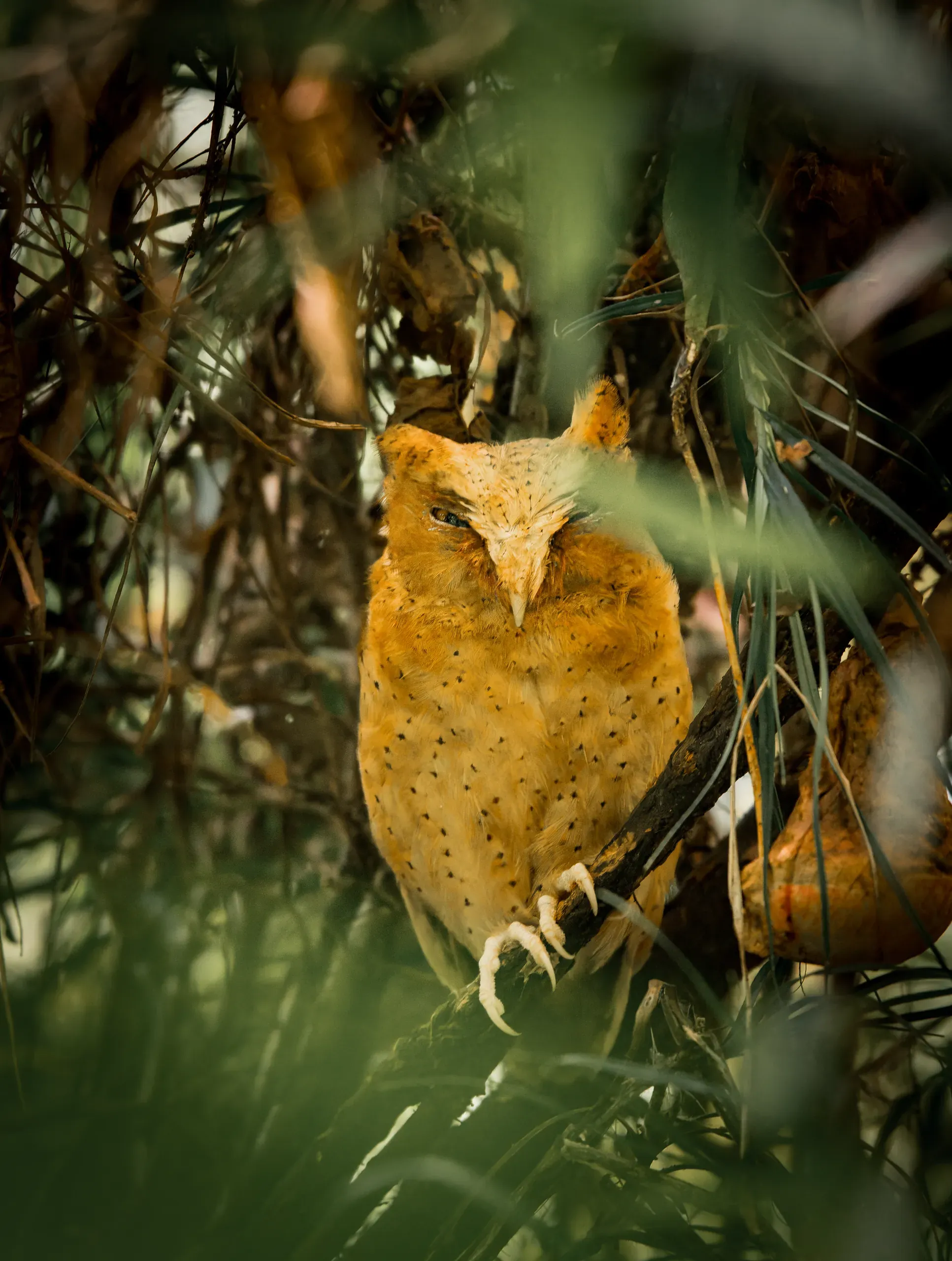
Sri Lanka blue magpie, grey hornbill, spot-winged thrush, scimitar babbler, owls including the Serendib scops owl, plus reptiles and macro life.
Expeditions that visit Sinharaja
Free guide
Planning Sinharaja? Start with our field guide
Every park, the best months for each and how to plan a first safari. Or tell us your dates and we'll build a route.